


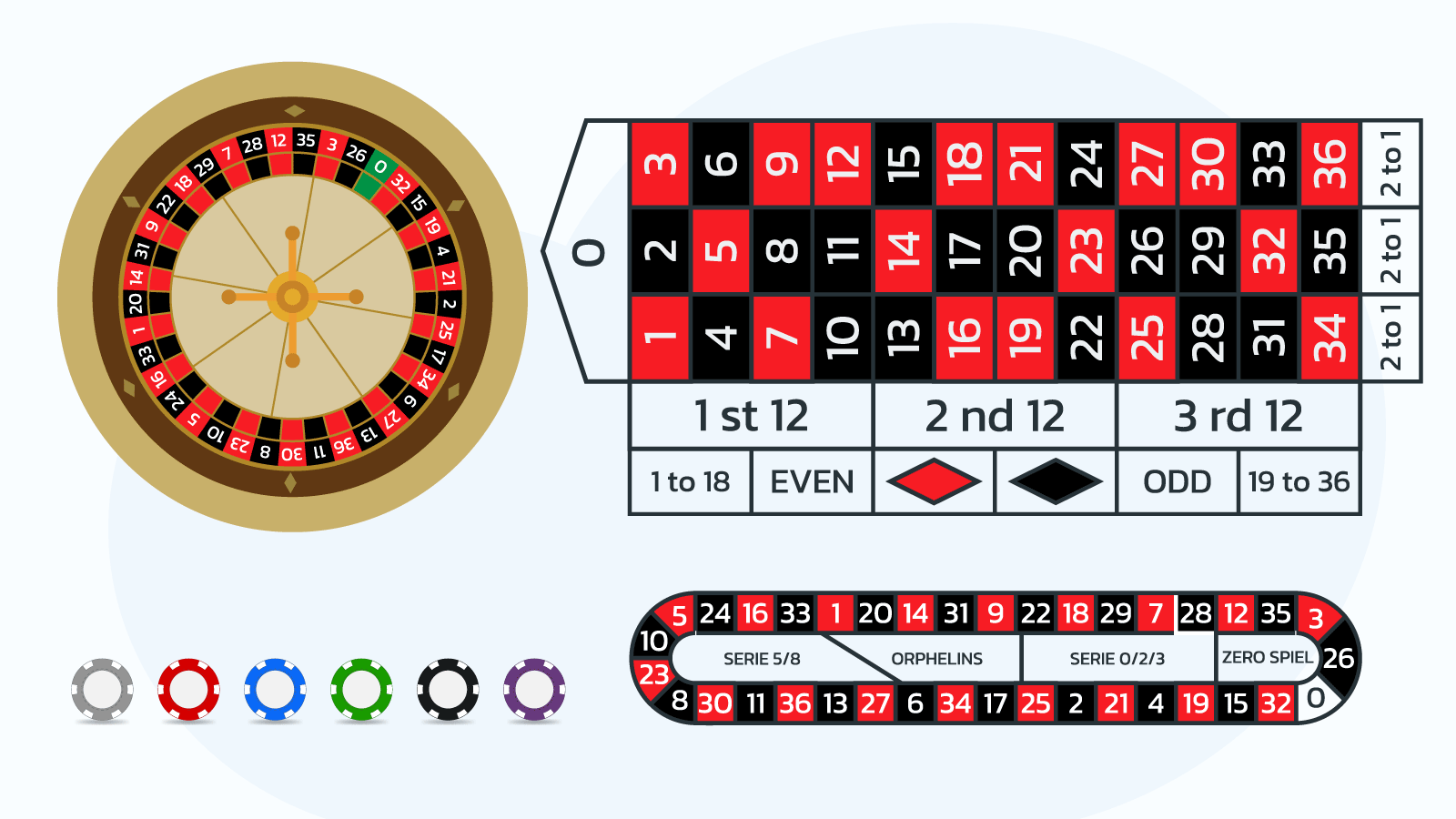
European roulette has traditionally been the favorite variant for UK players who like the single-zero wheel and its lower house edge. A live multiplier feature modifies that familiar format. It adds unpredictability and boosted payouts that a standard table cannot offer. Instead of a flat 35:1 reward for a straight-up hit, certain rounds randomly attach multipliers that lift returns to 50x, 100x, or even 500x the stake. This article examines how the multiplier mechanic works inside a live dealer environment, what UK players should anticipate at the table, and how the wider platform supports the experience through payment options, device compatibility, and regulatory safeguards. Every detail is grounded in how the europeanroulettelivegame new account brand delivers the feature to its audience.
1. How the European Roulette Live Game Multiplier Actually Is
The multiplier feature is a broadcast live dealer upgrade that applies random prize boosts to chosen straight-up numbers in each round. Standard live roulette pays fixed odds. This version utilizes a certified random number generator to determine a multiplier value to between one and five numbers before the betting window closes. The dealer still spins a physical wheel, but the boost layer is completely digital and shows as an overlay on screen. If the ball lands on a number that had a multiplier and you have a straight-up bet on it, the return is multiplied accordingly. All other bets, including splits, corners, dozens, and even-money wagers, pay at the usual odds.
This mechanic does not alter the underlying wheel physics or the dealer’s role. The croupier follows the same spin procedure used in any European roulette stream. The difference resides in the pre-spin phase, where a short animation shows the lucky numbers and their assigned boost values. UK players who know Lightning Roulette will recognise the concept, but the European Roulette Live Game implementation often changes in multiplier ranges, frequency, and the cap on maximum wins. The feature transforms a game of pure chance into one where the potential upside on a single chip can be far higher, while the base return-to-player percentage on straight-up bets adjusts slightly to cover the bonus payouts.
The maths behind the feature redistributes a portion of the standard straight-up payout pool. Instead of every straight-up win paying 35:1, a fraction of the theoretical return is set aside for the boosted outcomes. This means a straight-up win still pays 35:1 on non-multiplier rounds, but the overall hit frequency and average payout on straight-up bets shift. The operator discloses the theoretical RTP for the multiplier version separately, and UK-facing platforms typically show that figure in the game’s help menu. Players who favor a predictable 97.3% return on all bets should stay with standard tables. Those ready to trade a sliver of consistency for the chance of a multiplied windfall will discover the trade-off clearly documented.
4. A Detailed Walkthrough to Setting Your Very First Multiplier Bet
Joining a multiplier-enhanced live roulette table follows the same entry path as any live dealer game, but a few extra on-screen elements deserve attention. After opening the European Roulette Live Game interface, the player selects a table with the multiplier badge and gets a virtual seat. The stream presents a high-definition view of the dealer and wheel, while the betting grid occupies the lower portion of the screen. A timer counts down the betting window, and during this period the player moves chips onto one or more straight-up positions. The current round’s multiplier draw has not yet occurred, so the player is placing bets unaware on which numbers will obtain a boost.
Once the betting window closes, the game performs the multiplier draw and superimposes the lucky numbers with their assigned values. The player can view instantly whether any of their straight-up selections have been boosted. The dealer then turns the wheel, and the ball drop determines the outcome. If the ball falls on a number that the player selected and that number carried a multiplier, the win amount is calculated as stake multiplied by the displayed boost value. The platform’s bet history and game log document every round detail, including the multiplier draw, so players can check past results to validate payouts.
7. Mobile & Desktop Experience: Playing Multiplier Roulette on Any Device
The European Roulette Live Game interface is built to adjust to screens of all sizes without sacrificing the clarity of the multiplier overlay. On a desktop or laptop, the stream fills the upper portion of the window while the betting grid, chip selector, and game history are placed below. The multiplier animation shows up as a semi-transparent highlight over the lucky numbers, and the boosted values are shown in a large, legible font. The layout can be toggled between a compact view that enlarges the video feed and an expanded view that enlarges the betting area for precise chip placement.
On mobile devices, the same functionality is preserved through a responsive web design that does not demand a dedicated app download. The stream adjusts to fit the screen width, and the betting grid becomes a swipeable panel that can be changed to full-screen mode. Touch controls enable players to drag chips onto the felt with a finger, and haptic feedback acknowledges bet placement on supported devices. The multiplier reveal animation is tailored for mobile data connections, loading quickly even on 4G networks. Players who prefer a native app experience can check whether the operator has one via the Apple App Store or Google Play, though the browser version offers a nearly identical feature set.
7.1 Browser Play vs Native Apps
A native app can offer push notifications for multiplier round alerts and a slightly faster launch time. The browser-based version removes the requirement for storage space and manual updates. Both access points tap into the same live streams and game servers, so the multiplier draw timing and payout accuracy are the same. UK players who use iOS devices benefit from Safari’s optimisation for WebRTC-based live streams, while Android users can leverage Chrome’s hardware acceleration. The choice between app and browser depends on personal preference, and the platform supports both without feature disparity.
7.1.1 Enhancing Stream Quality on Slower Connections
The video player includes an adaptive bitrate setting that automatically decreases resolution when bandwidth drops. Players can manually select a lower quality tier from the settings menu to preserve data or maintain a stable stream on congested networks. The multiplier overlay is rendered client-side, so it remains sharp even when the video resolution is reduced. A stable internet connection of at least 2 Mbps is recommended for uninterrupted play, and the platform’s help centre provides troubleshooting steps for common streaming issues such as audio desynchronisation or buffering during the multiplier reveal.
For a first session
Using the smallest betting chip and selecting a couple of straight-up numbers per round is a sensible approach. This maintains the per-spin cost low while providing several chances to hit a multiplied number. The interface usually allows storing preferred bet patterns, so a player can create a default straight-up configuration and trigger it with a single tap. Responsible bankroll management remains essential because the multiplier feature can create long sequences without a hit, and the boosted payouts, while tempting, occur infrequently enough that a session budget must absorb the dry spells. The following steps outline a typical first session:
- Pick a multiplier-branded table and verify the displayed RTP and multiplier range in the help menu.
- Define a session loss limit and deposit amount using the cashier’s responsible gambling tools.
- Drag chips onto two or three straight-up numbers, keeping the total stake per round within a comfortable fraction of the session budget.
- Watch the multiplier draw animation after betting closes and identify which of your numbers received a boost.
- Watch the wheel spin and gather any multiplied wins; review the game log after the session to confirm payouts.
2. The way Multipliers Get Chosen and What They Pay
Prior to the dealer calls “no more bets,” the game engine executes a random draw that picks a small set of numbers, commonly between one and five, from the 37 pockets of the European wheel. Each selected number gets a multiplier taken from a predefined pool. Typical pools include values such as 50x, 75x, 100x, 150x, 200x, 300x, 400x, and 500x, however the exact range can change by studio configuration. The draw is unrelated to the physical wheel outcome, so the same random process occurs every round regardless of previous results. The animation that reveals the lucky numbers functions as both a visual flourish and a clear display of the multiplier assignment.
The underlying technology depends on a certified pseudo-random number generator that is verified by independent laboratories. UK-facing live casino products must satisfy the technical standards set by the Gambling Commission, which encompass regular audits of the RNG and the integration between the digital multiplier layer and the physical wheel. The system guarantees that the probability of any given number being selected for a multiplier is uniform, and the distribution of multiplier values follows the weighted table revealed in the game rules. Players can normally access a detailed paytable that shows the exact probability of each multiplier tier appearing, so they can calculate the long-term expected value of a straight-up bet under the multiplier ruleset.

That multiplier only affects the straight-up part of a wager. If a player places a chip on a number that is later struck by a 100x multiplier and the ball lands in that pocket, the straight-up bet pays 100:1 instead of 35:1. A split, street, or corner bet that contains that number pays at the standard odds without enhancement. This rule stops the feature from distorting the payout structure of outside bets and maintains the game’s core mathematics intact for players who prefer combination wagers. The visual interface renders the distinction clear by highlighting only the straight-up betting grid positions that hold a boost.
2.1 The Function of the Random Number Generator in the Draw
The RNG operates in a sealed environment that is separate from the video streaming hardware. When the dealer starts the betting round, the game server requests a multiplier draw from the RNG module. The result is encrypted and sent to the graphics engine, which overlays the lucky numbers on the stream with a sub-second delay. This architecture blocks any possibility of the dealer or players influencing the multiplier assignment. Testing agencies such as eCOGRA or iTech Labs regularly confirm that the RNG produces outcomes consistent with the published probabilities, and certification badges are usually displayed in the game’s footer or information panel.
2.2 Multiplier Frequency and the Impact on Session Volatility
The frequency with which multipliers appear, and the typical boost size, immediately shapes the volatility of a session. A configuration that assigns a multiplier to five numbers every round with a heavy weighting toward 50x and 75x values will create more regular small boosts, leveling the bankroll curve. A setup that picks only one number per round and contains 500x in the pool will provide fewer but more dramatic spikes. UK players who study the game’s help file can usually find a volatility index or a detailed breakdown of hit rates for each multiplier tier. That information aids in selecting a bet-sizing strategy that matches with personal risk tolerance.
2.3 Multiplier Tiers and Payout Potential
The multiplier tier structure determines the ceiling of what a single straight-up chip can yield. the breakdown In many live European roulette multiplier games, the smallest boost is at 50x, which already represents a 43% uplift over the usual 35:1 payout. From there, the ladder rises through 75x, 100x, 150x, 200x, 300x, 400x, and sometimes 500x. Some studios introduce a rare 1000x tier, but such exceptional values are typically set aside for special promotional rounds or jackpot-linked variants. The European Roulette Live Game brand plainly lists the current multiplier range on the table interface, so players understand the maximum possible reward before they lay a chip.
The reward potential must be considered against the chance of landing a boosted number. A 500x multiplier could appear on just one number in several hundred rounds, whereas a 50x boost can land on various numbers every few spins. The game’s theoretical return explains this distribution, which means the expected value of a straight-up bet stays within a narrow band around the standard 97.3% RTP, often falling slightly to fund the boosted prizes. For a UK player wagering £1 on a straight-up number, a 100x hit returns £100, a 500x hit pays £500, and a non-multiplied hit gives the usual £35. The table limit for straight-up bets is generally lower than the maximum outside bet limit to limit the operator’s liability on the highest multipliers.
Wins from multiplied straight-up bets are added instantly to the player’s balance, the same as any other settled wager. The cash-out process adheres to the same withdrawal rules as the rest of the platform, with no further wagering requirements attached to multiplier wins except when the player is using bonus funds. The boosted payout itself is not a bonus. It is a game mechanic, so winnings derived from it are available for withdrawal subject to standard identity verification and minimum withdrawal thresholds.
3. On which bets the Multiplier Feature Shows Up: Straight-Up Bets and Bonus Rounds
The multiplier enhancement is strictly linked to straight-up wagers, which means chips placed directly on a specific number on the betting grid. Any other bet type, including split, street, corner, line, dozen, column, red/black, odd/even, and high/low, pays out at the classic European roulette odds and does not consider any multiplier that was assigned to the numbers within its coverage. This design maintains the game identifiable for roulette purists while concentrating the excitement on the high-risk, high-reward portion of the layout. Players who spread chips across multiple straight-up numbers increase their chance of landing a multiplier, but they also increase the total stake per round.
Some live multiplier roulette products incorporate a unique round mechanic where the quantity of boosted positions grows or the multiplier pool shifts upward for a limited sequence of spins. This can be initiated randomly or after a fixed number of standard rounds. During such a round, the interface might display a altered colour scheme or a countdown timer, and the dealer could announce the event. The European Roulette Live Game platform uses a similar pattern, using random bonus rounds to inject additional volatility. The specific trigger conditions and the boosted multiplier set are detailed in the game rules, and players should review them to comprehend when the table transitions to a heightened state.

Betting on the zero is treated identically as any other straight-up number. If the single zero is assigned a multiplier and the ball comes to rest in its pocket, the player’s straight-up bet on zero settles the boosted amount. This means the house edge on the zero bet under the multiplier rules can differ from the standard 2.7% when assessed over sessions that feature multiplier hits. The zero is in statistical terms no more or less likely to be selected by the RNG than any other number, so the overall expectation is balanced. Players who habitually cover the zero as insurance should consider the possibility of a multiplied zero win when determining session bankroll requirements.
6. Licensing and regulation, Fairness standards, and Safety: Key Points for UK Players to Confirm
Each live casino product targeting the UK market must hold a licence from the Gambling Commission, and the European Roulette Live Game brand functions under such a licence. The licence number should be displayed in the website footer, and players can cross-check it against the Commission’s public register. This regulatory oversight requires regular testing of the live dealer equipment, the multiplier RNG, and the platform’s financial systems. It also requires the operator to segregate player funds from operating capital, providing a layer of protection if the company becomes insolvent. UK players ought to always confirm the licence details before depositing, as unlicensed clones of popular multiplier roulette games are known to circulate.
Aside from licensing, independent testing certificates from laboratories like eCOGRA, GLI, or iTech Labs add a second layer of assurance. These certificates verify that the game’s theoretical RTP matches the published figure and that the multiplier draw is genuinely random. The live stream itself is monitored for irregularities, and the studio environment is subject to physical security protocols. The platform uses TLS encryption to protect data in transit, and its privacy policy needs to outline how personal and financial information is stored. Two-factor authentication for account logins is often available and advised for players who keep a balance on the site.
Transparency in the multiplier feature depends entirely on the trustworthiness of the RNG that selects lucky numbers and assigns boost values. The game rules detail the exact probability of each multiplier tier, and the operator cannot alter these probabilities on the fly without modifying the certified game version. Players who wish to verify the randomness of past draws can generally request game logs from customer support, though the platform may offer only aggregated data rather than raw RNG output. The blend of UKGC licensing and independent testing means the multiplier mechanic is not a gimmick designed to mislead. It is a mathematically defined feature with a stated house edge. Key verification points encompass:
- Verify the Gambling Commission licence number in the footer and compare it against the public register.
- Look for eCOGRA, GLI, or iTech Labs certification badges within the game’s information panel.
- Study the published RTP and multiplier probability table in the help file before playing.
- Ensure the platform uses TLS encryption and provides two-factor authentication for account security.
5 – Deposit Options and Withdrawal Timings for Players in the UK
The Live European Roulette platform provides a variety of payment options well-known to the market in the UK, with an focus on efficiency and adherence with the Gambling Commission’s requirements. Debit cards issued by Visa and Mastercard are the most popular way to deposit, processed instantly and with no charges from the platform’s side. E-wallets such as PayPal, Skrill, and Neteller are usually offered and provide the most rapid payout processing, usually finishing within a few hours once the verification is complete. Direct bank payments and instant banking services like Trustly give an choice for players who opt not to use online wallets.
Payout processing speeds vary by payment method and by the step of the account verification journey. A first payout usually triggers a know-your-customer check, where the customer must submit ID verification, address, and in some cases ownership of the payment method. After documents are verified, subsequent withdrawals are handled more rapidly. Digital wallet payouts can arrive in the player’s account within 24 hours, while card cashouts may require between one and three business days. Bank transfers can extend to several working days. The platform presents estimated timeframes in the cashier section, and UK players should get verified in advance to skip waiting times when they want to claim multiplier winnings.
5.1 Deposit Restrictions and Responsible Payment Management
The cashier includes mandatory deposit limit tools that satisfy UKGC licence conditions. New players must set a daily, weekly, or monthly deposit cap prior to their first transaction. These limits may be tightened immediately, while any request to raise them activates a 24-hour cooling-off period. The platform also supports reality checks that display session duration and net spend, aiding players monitor their outlay on multiplier rounds. Payment methods that allow reverse withdrawals are blocked by default, so once a withdrawal request is submitted, the funds cannot be reversed and returned to the gaming balance. That safeguard prevents impulsive re-gambling of cashed-out winnings.
5.2 Currency Options and Conversion Fees
UK players are able to deposit and play in pounds sterling, bypassing currency conversion charges that would otherwise diminish their bankroll. The platform’s banking system handles all transactions in GBP, and the game interface presents bets and wins in the same currency. If a player uses a card or e-wallet denominated in a different currency, the payment provider could apply its own exchange rate, but the casino itself does not charge a conversion fee. This practical detail keeps the cost of playing multiplier roulette transparent and predictable.
8. Controlled Gambling Features and Establishing Boundaries for Multiplier Play
The heightened volatility of enhanced roulette makes safe gambling tools especially important. The platform integrates a range of controls that UK players can reach from their account dashboard. Deposit limits, as noted, are required at registration. Players can also configure loss limits that restrict the amount they can lose in a specific period, and session time limits that automatically log them out after a predefined duration. A reality check pop-up can be set to appear at intervals as short as 15 minutes, indicating the time spent in the current session and the net result so far.
Self-exclusion options extend from a 24-hour cooling-off period to a complete account closure via the GamStop scheme, which the operator is required to participate in as a UKGC licensee. The platform’s responsible gambling page directs to independent support groups such as GamCare and BeGambleAware. For multiplier roulette specifically, players can use the game’s statistics panel to check the number of rounds played and the total amount wagered on straight-up bets, giving them a full picture of their exposure to the high-variance mechanic. Establishing a firm session budget before going after multiplied numbers is a sensible step that the interface enables through the deposit and loss limit tools.
The operator’s devotion to player protection goes to the design of the game itself. The multiplier feature does not employ near-miss animations or deceptive visual cues that imply a number was close to being selected for a boost. The draw is presented as a binary event: a number either carries a multiplier or it does not. This openness helps players make informed decisions and lowers the risk of chasing losses under the illusion of a pattern. Paired with the compulsory affordability checks that UK operators must conduct for higher-spending customers, the framework around the multiplier game is built to keep the entertainment within manageable boundaries. Useful tools comprise:
- Deposit limits set at registration and modifiable only with a cooling-off period.
- Loss limits and session time limits configurable from the account dashboard.
- Reality check pop-ups displaying session duration and net spend at selected intervals.
- GamStop self-exclusion integration and links to GamCare and BeGambleAware.
9. In What Way the Multiplier Feature Stacks Up to Standard Live European Roulette
Setting the multiplier version alongside a classic single-zero live table reveals a clear trade-off. Standard European roulette delivers a constant 97.3% RTP on all bets and a predictable 35:1 payout on any straight-up win. The multiplier variant reduces the base RTP on straight-up bets by a fraction, often to around 97.1% or 97.0%, while bringing in the possibility of payouts that far exceed 35:1. For a player who bets exclusively on straight-up numbers, the long-term expected loss per £100 wagered goes up by a few pence, but the session experience becomes much more volatile.
The difference is most pronounced in short sessions. A player who sits down for 50 spins at a standard table will rarely see a bankroll swing beyond what the binomial distribution of straight-up hits predicts. The same 50 spins at a multiplier table could include a 200x hit that turns a modest profit into a significant win, or it could pass without any multiplied numbers landing, resulting in a faster drain due to the slightly reduced base RTP. This variance profile draws in players who view roulette as an entertainment product with jackpot-style upside, while it may frustrate those who treat the game as a steady, low-edge grind.
From a tactical standpoint, no betting system can modify the house edge of the multiplier mechanic. The RNG draw is unrelated of previous outcomes, and the wheel remains unbiased. Players who increase their straight-up coverage to catch more multipliers will face a higher total wager per round, which accelerates the expected loss in absolute terms even if it raises the chance of hitting a boosted number. The ideal approach for those who like the feature is to treat it as a premium entertainment option with a clear cost: a tiny reduction in theoretical return in exchange for the thrill of multiplied payouts. Comprehending that trade-off is the key to connecting with the game on its own terms.
The European Roulette Live Game multiplier feature adds a layer of random upside to a classic wheel, shifting the session from steady to spike-driven. UK players seeking transparency will find the RTP, multiplier probabilities, and payout caps clearly laid out, with the platform’s payment infrastructure and regulatory compliance providing the needed framework for safe real-money play. The feature does not promise easier wins. It changes the reward structure for straight-up bets in a mathematically disclosed and independently audited manner. Before risking a bankroll, a player should open the game’s help file, check the exact multiplier pool and its weighting, and set a session limit that accounts for the higher variance. Such preparation changes the multiplier table from an unknown into a measured choice, where the possibility of a 500x return is part of a ruleset that can be understood, verified, and enjoyed responsibly.

